
What “Move-In Ready” Really Means
When you hear the term “move-in ready” in real estate, it often sounds like a dream come true. Who wouldn’t want a home that’s ready for them to simply unpack and enjoy? But what does “move-in ready” really mean in the Pensacola area, and how can buyers make sure a home truly lives up to that label?
In reality, “move-in ready” can mean different things to different people. Here’s what you should know to determine whether a home is truly move-in ready.
1. Basic Maintenance Should Be Completed
A “move-in ready” home should be free of any immediate maintenance issues. That means things like:
Freshly painted walls
Functional plumbing and electrical systems
New or recently serviced HVAC units
No leaking roofs or broken windows
While small touch-ups may still be needed, major repairs should be handled before the house is listed. Buyers should inspect the home thoroughly and work with an experienced agent to ensure no hidden issues are missed.
2. Clean and Clear Living Spaces
A truly move-in ready home should be clean, clutter-free, and ready for you to make it your own. This includes:
Clean floors and carpets
Freshly washed windows
Tidy kitchen and bathrooms
Clean air ducts and filters
Buyers can expect the home to be in a livable condition from day one, so it’s important to understand that "move-in ready" doesn’t mean "brand new."
3. Well-Functioning Appliances
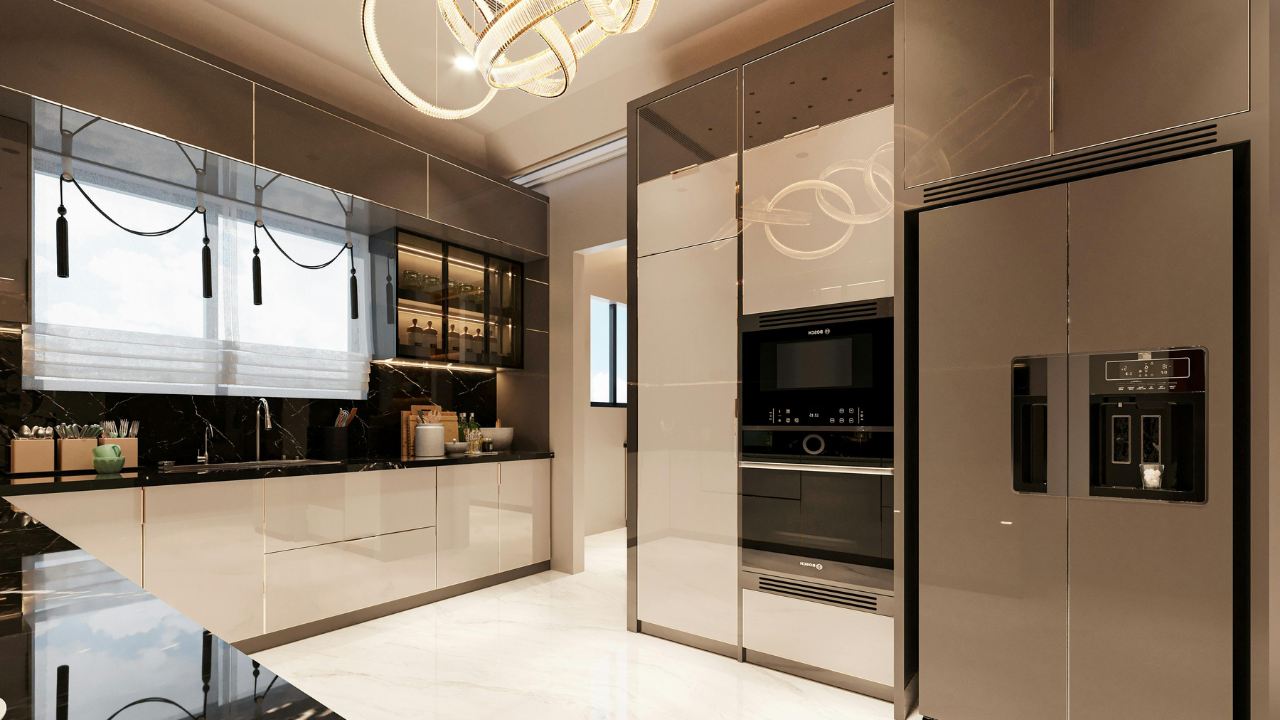
In a “move-in ready” home, the appliances should be in good working condition, and the buyer shouldn’t have to worry about replacing them right away.
Expect things like:
A fully functioning refrigerator, stove, and dishwasher
Well-maintained washer and dryer
Energy-efficient and up-to-date systems
While older appliances can still be labeled as “move-in ready,” it’s important to know that they may eventually need replacement or repairs.
4. No Major Renovations Required
While a "move-in ready" home might not be brand new, it shouldn't require you to dive into major renovations. This means:
No need for full kitchen or bathroom overhauls
No fixing up broken structures, like a collapsing deck
No immediate landscaping changes
Buyers can generally move in without worrying about high-ticket renovations that will take time and money.
5. Properly Inspected and Certified

To truly ensure a home is move-in ready, it should pass all essential inspections, including:
Termite inspections
Home and structural inspections
Septic or well inspections (if applicable)
Having these inspections done beforehand can reassure buyers that the house is as advertised, without the threat of unforeseen issues.
6. Ready for Personalization, Not Major Changes
While “move-in ready” means that the home is physically ready for occupancy, it doesn’t mean everything has to be to your exact taste. A home might still require personalization—like fresh paint, new furniture, or minor updates. However, these changes should be cosmetic and not structural.
For example, updating the kitchen backsplash or changing the bathroom fixtures might be a future project, but the home should still be comfortable and livable as is.
7. What To Look For When Touring Homes
When touring homes that claim to be “move-in ready,” it’s essential to:
Ask for a recent inspection report
Check the age of major systems (roof, HVAC, appliances)
Inspect for any signs of mold, damage, or water leaks
Make sure the sellers disclose any prior issues or repairs made
By being thorough and asking the right questions, you can ensure the home is truly move-in ready without surprises.
Final Thoughts: Is a "Move-In Ready" Home Right for You?
The term “move-in ready” sounds like a simple, straightforward solution. However, buyers should still be cautious, as it can mean different things. A home that’s technically “move-in ready” could still have issues that need attention. As a Pensacola real estate expert, Vivian Corwin helps guide buyers through every step of the process, making sure the home you choose is truly ready for you.

